Armored Brigade Nation Pack: Italy - Yugoslavia
Armored Brigade Nation Pack: Italy - Yugoslavia - Steam Charts & Historical Stats
A nation pack with two new factions: Italy and Yugoslavia. Explore historical player activity and pricing for Armored Brigade Nation Pack: Italy - Yugoslavia. Player-count data was last observed May 26, 2026.
Armored Brigade Nation Pack: Italy - Yugoslavia player count and price summary
- Current players
- Unavailable
- All-time peak
- Unavailable
- 24-hour player change
- Unavailable
- Current US price
- $8.99
Player count last observed . Values marked unavailable are not estimated.
Media gallery 9 screenshots · 0 videos
Screenshots
Game Insights
Buy Verdict
Decent deal at 40% off, but might drop further. Watch for better opportunities.
Value Score
Price-to-player ratio ranks in the 100th percentile.
Genre Benchmarks
Price History
No Recent Price History
Price history data will appear here once more pricing information becomes available.
System Requirements
- OS *: Windows 7 / 8 / 10
- Processor: 1 GHz
- Memory: 1 GB RAM
- Graphics: OpenGL 2.0 compatible video card with 512 MB VRAM
- DirectX: Version 9.0c
- Sound Card: Compatible sound card
Additional Information
Current Pricing
Additional Information
Developer Analytics
Loading competitors...
About This Game
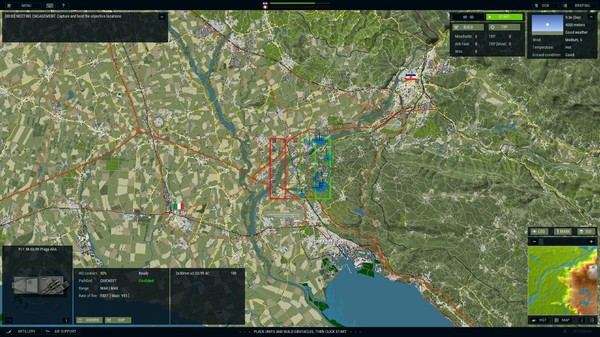
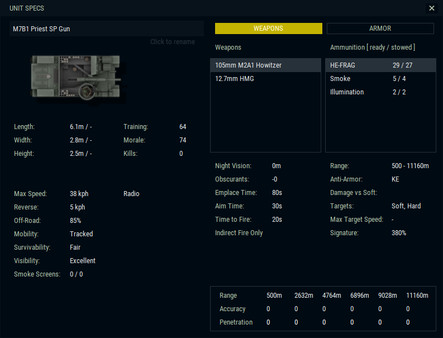
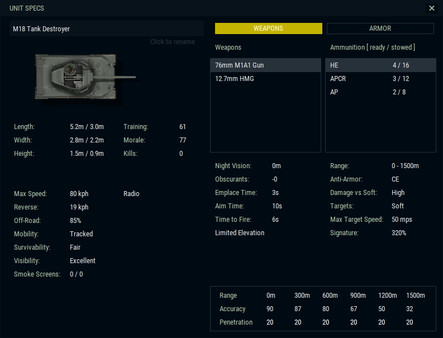
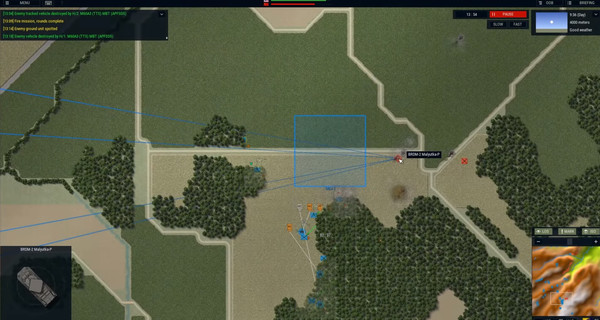
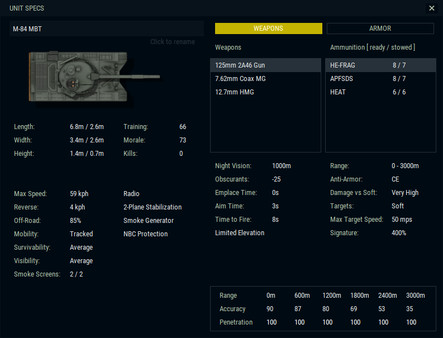
A nation pack with two new factions: Italy and Yugoslavia. Over 250 new units and aircraft from the 1965-1991 era. Iconic modern equipment like the VCC-1 and SIDAM, or Praga SPAAG and M-84 MBT, but also plenty of venerable veterans like M4A3 Sherman, M36 Jackson or SU-100.
Detailed Description
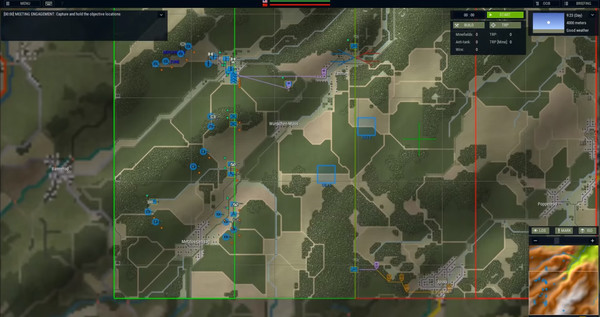
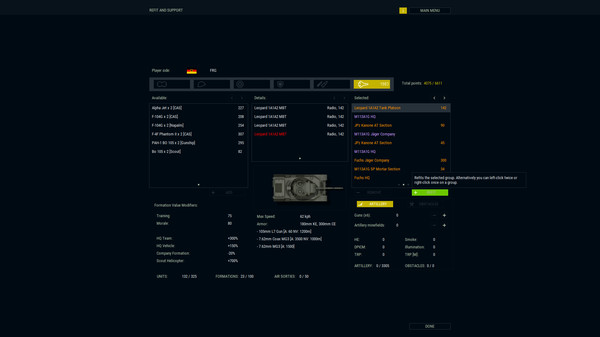
The Italian Army at first glance might seem under-equipped compared to its NATO peers. However, it should be noted that they were supposed to defend a well-fortified, and mostly rugged mountainous terrain on their eastern border. Moreover, quality of units varied significantly across the Army. Some were better trained or better equipped, for example the famous Alpini mountain troops or selected armoured and mechanised brigades. Nevertheless, a player might still feel being under-gunned or lacking in certain aspects, so his armoured, mechanized or infantry force should be always reinforced by strong support assets. This also means a great care should be given to mobility, flanking engagements, and emphasizing maximum use of terrain cover; providing for a challenging and dynamic playstyle.
On the other side of the fence was Yugoslavia. Geographically situated between a NATO anvil and the Soviet hammer, the prospect of invasion would permanently dominate Yugoslav strategic plans. Particularly since witnessing the Warsaw Pact intervention in Czechoslovakia in 1968, Yugoslav military doctrine focused on combining its large field army with the guerrilla experience of the Partisans in World War II. In planning, this would entail the armed forces to conduct conventional warfare along a nationwide front, buying time for reserves and the general population to mobilize. Small Territorial Defence units would engage alongside beside regular troops in their local areas, emphasizing mobility and light anti-personnel and anti-armour weapons.
Because armament parity with likely opponents, both in quality and quantity, was hard to achieve, Yugoslavs tried to use limited national defense resources in the most efficient way, rarely if ever squandering even the most obsolete weapons. Units in the game, as well the combat tactics, reflects this strategy. Yugoslavia is a very balanced, all-around force that will perform satisfactorily in every field, but might not always excel. Hence a combined arms approach is extremely important when facing technologically superior forces. And while the center of gravity of the Yugoslav Army are infantry formations that are highly varied, logistically undemanding and survivable, armoured and mechanized are certainly capable of making it tough for any adversary.