
Jurassic World Evolution 2: Late Cretaceous Pack
Jurassic World Evolution 2: Late Cretaceous Pack - Steam Charts & Historical Stats
Showcase four stunning new prehistoric species in your parks with Jurassic World Evolution 2: Late Cretaceous Pack. Explore historical player activity and pricing for Jurassic World Evolution 2: Late Cretaceous Pack. Player-count data was last observed May 1, 2026.
Jurassic World Evolution 2: Late Cretaceous Pack player count and price summary
- Current players
- Unavailable
- All-time peak
- Unavailable
- 24-hour player change
- Unavailable
- Current US price
- $3.99
Player count last observed . Values marked unavailable are not estimated.
Media gallery 10 screenshots · 2 videos
Screenshots

Videos

JWE2_Late Cretaceous_Pack_Launch_Trailer_ESRB

JWE2_Late Cretaceous_Pack_Announce_Trailer_ESRB
Game Insights
Buy Verdict
Decent deal at 50% off, but might drop further. Watch for better opportunities.
Value Score
Price-to-player ratio ranks in the 100th percentile.
Genre Benchmarks
Price History
No Recent Price History
Price history data will appear here once more pricing information becomes available.
System Requirements
Additional Information
*languages with full audio support
Pricing Information
Developer Analytics
Loading competitors...
About This Game
Showcase four stunning new prehistoric species in your parks with Jurassic World Evolution 2: Late Cretaceous Pack.
Detailed Description
This pack features:
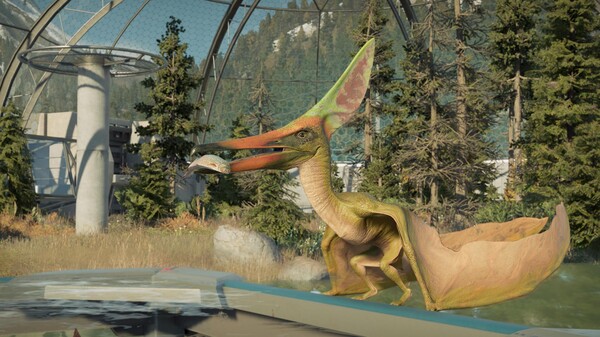
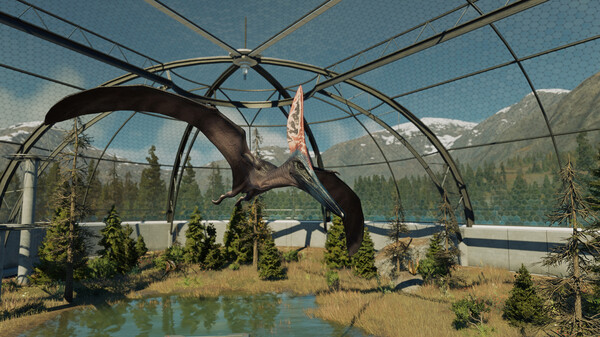
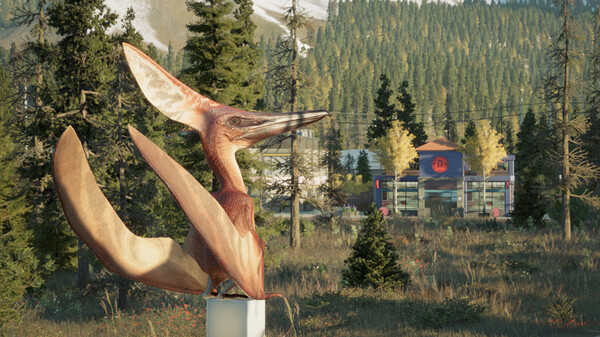
- Barbaridactylus, a flying hunter that lived towards the end of the Late Cretaceous era. With its magnificent head crest, Barbaridactylus will make a distinctive addition to your park. This species takes its name from the Barbary Coast of North Africa, near to where it was discovered.
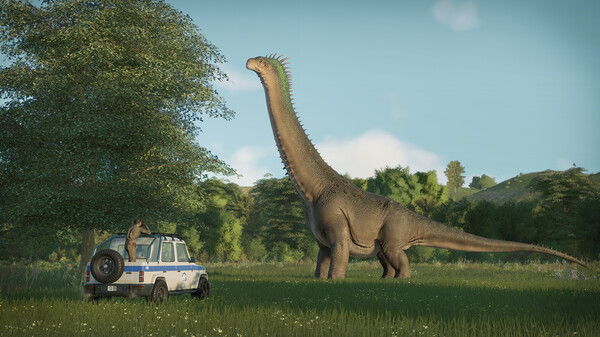
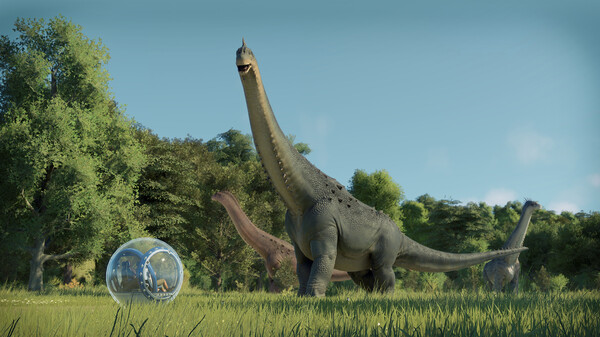
- Alamosaurus, an armoured titan and one of the largest dinosaurs ever discovered, with shinbones taller than an adult human. Sporting large spines running down its shoulders, back and tail, Alamosaurus is a behemoth of an herbivore, presenting a serious challenge to potential predators.
- Australovenator, a fast and agile medium-sized carnivore that occupied Australia around 95 million years ago. Characterised by a lightweight frame, extremely sharp teeth, and flexible arms used for grabbing, Australovenator was perfectly built for stalking and running down prey.
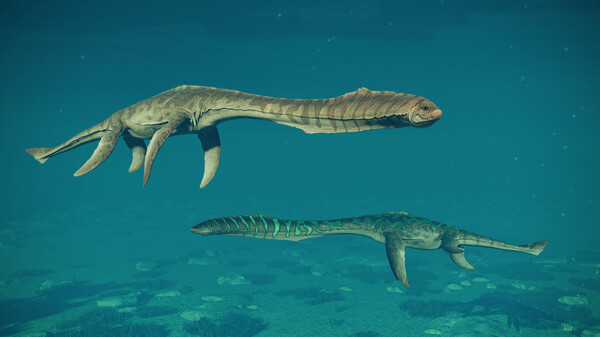
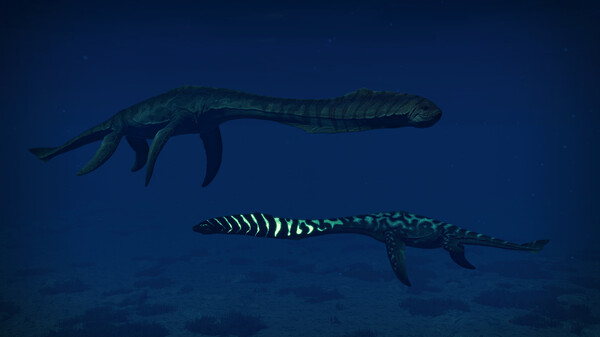
- Styxosaurus, a marine species that ruled the Late Cretaceous waves. Its streamlined shape combined with sizable fins produces deadly undersea swiftness, making Styxosaurus one of the most efficient predators of its time. Try modifying its genome with diverse bioluminescent pattern colours.