
Alea Jacta Est Spartacus 73BC
Alea Jacta Est Spartacus 73BC - Steam Charts & Historical Stats
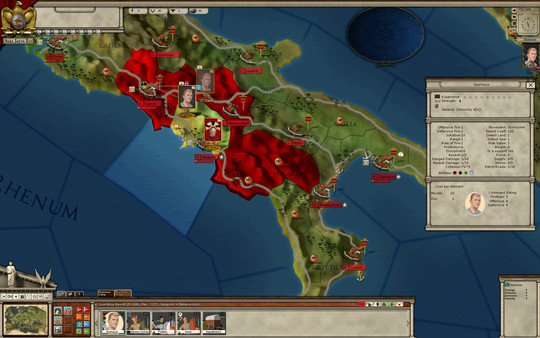
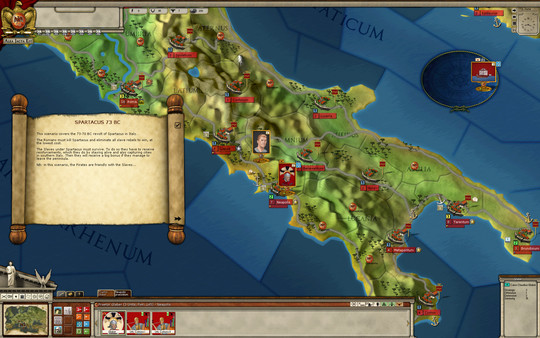
This short and epic scenario covers the 3 years of the famous gladiators and slaves revolt led by Spartacus that brought the Roman republic to a major crisis between 73 and 70 BC. Explore historical player activity and pricing for Alea Jacta Est Spartacus 73BC. Player-count data was last observed May 2, 2026.
Alea Jacta Est Spartacus 73BC player count and price summary
- Current players
- Unavailable
- All-time peak
- Unavailable
- 24-hour player change
- Unavailable
- Current US price
- $3.99
Player count last observed . Values marked unavailable are not estimated.
Media gallery 4 screenshots · 1 videos
Screenshots
Videos
AJE_Videof4v
Game Insights
Buy Verdict
Wait for upcoming sale in ~4 days for potentially better pricing.
Value Score
Price-to-player ratio ranks in the 100th percentile.
Genre Benchmarks
Price History
No Recent Price History
Price history data will appear here once more pricing information becomes available.
System Requirements
- OS *: Windows Vista / 7 / 8 / 10
- Processor: Intel Pentium 4 or equivalent
- Memory: 1 GB RAM
- Graphics: 128 MB DirectX card
- DirectX: Version 9.0
- Storage: 53 MB available space
- Sound Card: DirectX compatible sound card
Additional Information
Current Pricing
Additional Information
Developer Analytics
Loading competitors...
About This Game
This short and epic scenario covers the 3 years of the famous gladiators and slaves revolt led by Spartacus that brought the Roman republic to a major crisis between 73 and 70 BC. Players can either select Rome or the famous Spartacus in a fast-paced and active struggle, where each side will have to achieve hard-to-reach objectives: Rome...
Detailed Description
As for the thousands of slaves, they replace the former free workers as laborers for all the hardest tasks, in the mines, careers and Latifundias, the large estates of the rich Roman citizens, usually in Southern Italy and Sicily. Whereas a few slaves, usually employed at home, could become freedmen after earning their liberty from their masters, the great majority could envision no hope and were badly treated.
In 133 and 101 BC, two revolts had degenerated in large servile wars in Sicily, and took years to be crushed. But in 73BC, no one could envision that the small light ignited by the escape of a few Capuan gladiators would turn all of Italy aflame...
From the ludus (gladiator school) of a so-called Lentulus Batiatus in Capua, the Thracian Spartacus leads his fellow men into escape, carrying brands with which they put the local militia to flight.
Having taken refuge on the slope of the Vesuvius, they were besieged there by the troops of Praetor Glaber. Using wild vine plants to cross the cliffs, the gladiators take their opponent by surprise and send them routing. Upon hearing the news, thousands of slaves, shepherds and poor people join Spartacus' ranks.
This was the start of an epic that would see Rome tremble for three year, and the full mobilization of all the forces of the republic was required in the end to crush that mortal peril!
After having set Italy ablaze, the slaves armies were finally beaten by the wealthy and ambitious Crassus, at the cost of thousands of deaths and executions. Spartacus will fall among his breathens in the midst of a battle, and his body will never be found. Pompeius, coming back from Hispania, will crush the last band in Northern Italy and will claim the whole glory of the wars which had nevertheless been won by Crassus.