
OverSpeed
OverSpeed - Steam Charts & Historical Stats
OverSpeed - An unconventional lossless screen recorder. Explore historical player activity and pricing for OverSpeed. Player-count data was last observed Sep 30, 2026.
OverSpeed player count and price summary
- Current players
- Unavailable
- All-time peak
- 1
- 24-hour player change
- Unavailable
- Current US price
- $9.99
Player count last observed . Values marked unavailable are not estimated.
Media gallery 5 screenshots · 1 videos
Screenshots

Videos

Show
All-Time Peak
Estimated Owners
Game Insights
Buy Verdict
Decent deal at 0% off, but might drop further. Watch for better opportunities.
Activity Heatmap
No samples
0 players · 2 samples
0 players · 1 samples
0 players · 1 samples
0 players · 2 samples
0 players · 1 samples
0 players · 2 samples
0 players · 1 samples
0 players · 2 samples
No samples
0 players · 2 samples
0 players · 2 samples
No samples
0 players · 2 samples
0 players · 1 samples
0 players · 1 samples
0 players · 2 samples
0 players · 1 samples
No samples
0 players · 2 samples
0 players · 1 samples
0 players · 2 samples
No samples
0 players · 2 samples
0 players · 1 samples
0 players · 1 samples
0 players · 2 samples
0 players · 1 samples
No samples
0 players · 3 samples
0 players · 1 samples
0 players · 1 samples
0 players · 2 samples
0 players · 1 samples
0 players · 1 samples
0 players · 2 samples
0 players · 1 samples
0 players · 1 samples
0 players · 2 samples
0 players · 1 samples
No samples
0 players · 3 samples
No samples
0 players · 1 samples
0 players · 1 samples
0 players · 1 samples
0 players · 1 samples
0 players · 1 samples
0 players · 2 samples
0 players · 1 samples
0 players · 1 samples
0 players · 2 samples
0 players · 1 samples
0 players · 1 samples
0 players · 2 samples
0 players · 1 samples
0 players · 2 samples
0 players · 1 samples
0 players · 2 samples
No samples
0 players · 2 samples
0 players · 1 samples
0 players · 1 samples
0 players · 1 samples
0 players · 2 samples
No samples
0 players · 2 samples
0 players · 1 samples
0 players · 1 samples
No samples
0 players · 3 samples
No samples
No samples
0 players · 2 samples
0 players · 1 samples
0 players · 2 samples
No samples
0 players · 2 samples
0 players · 2 samples
0 players · 1 samples
0 players · 2 samples
No samples
0 players · 2 samples
0 players · 1 samples
0 players · 1 samples
0 players · 1 samples
0 players · 2 samples
No samples
0 players · 1 samples
0 players · 1 samples
No samples
0 players · 2 samples
0 players · 2 samples
0 players · 1 samples
0 players · 1 samples
No samples
0 players · 2 samples
No samples
0 players · 2 samples
0 players · 1 samples
No samples
0 players · 3 samples
No samples
0 players · 1 samples
0 players · 2 samples
0 players · 1 samples
0 players · 1 samples
0 players · 2 samples
No samples
0 players · 1 samples
0 players · 2 samples
0 players · 1 samples
No samples
0 players · 2 samples
0 players · 1 samples
No samples
0 players · 1 samples
0 players · 2 samples
0 players · 1 samples
No samples
0 players · 2 samples
0 players · 1 samples
No samples
0 players · 1 samples
0 players · 2 samples
0 players · 1 samples
No samples
0 players · 3 samples
No samples
0 players · 2 samples
0 players · 1 samples
No samples
0 players · 2 samples
0 players · 1 samples
0 players · 3 samples
No samples
0 players · 4 samples
No samples
0 players · 1 samples
0 players · 2 samples
0 players · 2 samples
No samples
0 players · 2 samples
0 players · 2 samples
0 players · 2 samples
No samples
0 players · 1 samples
0 players · 2 samples
0 players · 1 samples
0 players · 2 samples
0 players · 1 samples
0 players · 2 samples
0 players · 1 samples
0 players · 1 samples
0 players · 2 samples
No samples
0 players · 3 samples
No samples
0 players · 1 samples
0 players · 3 samples
No samples
No samples
0 players · 3 samples
No samples
0 players · 1 samples
0 players · 1 samples
0 players · 2 samples
0 players · 2 samples
Latest News
Price History
No Recent Price History
Price history data will appear here once more pricing information becomes available.
System Requirements
- Requires a 64-bit processor and operating system
- OS: 10
- Processor: AMD R5 2600 or Intel i5 10400
- Memory: 8 GB RAM
- DirectX: Version 11
- Storage: 200 MB available space
- Requires a 64-bit processor and operating system
- OS: 11
- Processor: AMD R5 7600 or Intel i5 13400
- Memory: 16 GB RAM
- DirectX: Version 11
- Storage: 200 MB available space
Additional Information
Current Pricing
Additional Information
Developer Analytics
Loading competitors...
About This Game
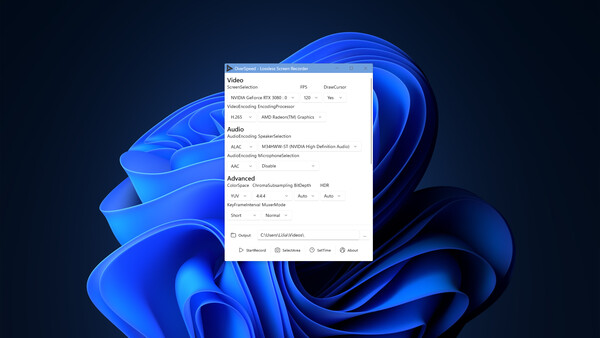
OverSpeed - An unconventional lossless screen recorder. Mainly targeted at geeks and professionals who pursue high-quality audio and video. Advanced, lightweight, and easy to use. Supported Video Codecs: H.265(HDR), H.264 Supported Audio Codecs: ALAC, AAC Supported GPU Vendors: NVIDIA, AMD, Intel
Detailed Description
OverSpeed - An unconventional lossless screen recorder.
Mainly targeted at geeks and professionals who pursue high-quality audio and video.
Advanced, lightweight, and easy to use.
Key features:
Supported Video Codecs: H.265(HDR), H.264
Supported Audio Codecs: ALAC, AAC
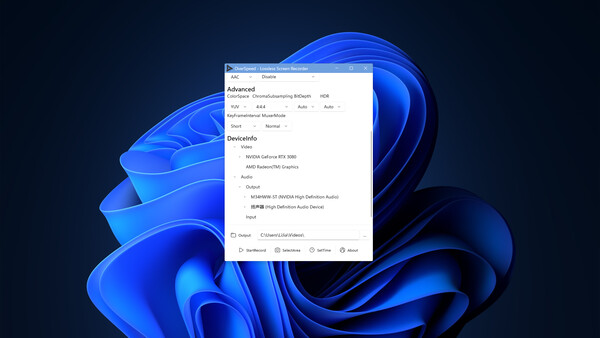
Supported GPU Vendors For Video Encoding: NVIDIA, AMD, Intel
Lossless audio and video encoding.
Supports both CPU and GPU encoding.
High performance and deeply optimized. Even CPU encoding utilizes GPU acceleration for some computations.
Automatically handles the stitching of multiple screens.
Equipped with three different muxing modes:
Normal Mode: A common mode with high compatibility.
Fragment Mode: Prevents data loss if recording stops unexpectedly.
Unmuxed Mode: Does not perform muxing and only supports the AAC audio codec. It offers no data loss on unexpected recording stops and higher performance. Recorded files require post-processing with tools like FFmpeg or MKVToolnix for muxing before they can be played normally.