
False Normality
False Normality - Steam Charts & Historical Stats
False Normality is a short first-person psychological horror game built around a rule-driven system that watches how you move. Explore historical player activity and pricing for False Normality. Player-count data was last observed Sep 28, 2026.
False Normality player count and price summary
- Current players
- Unavailable
- All-time peak
- Unavailable
- 24-hour player change
- Unavailable
- Current US price
- Price unavailable
Player count last observed . Values marked unavailable are not estimated.
Media gallery 5 screenshots · 1 videos
Screenshots

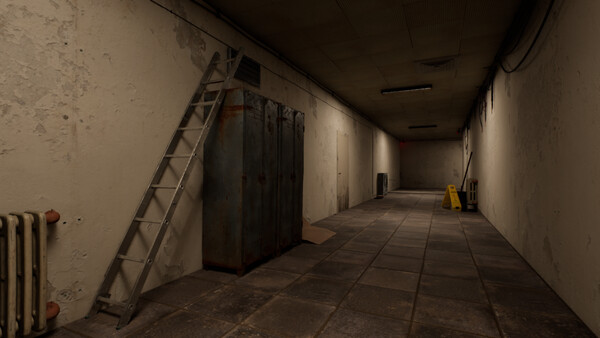

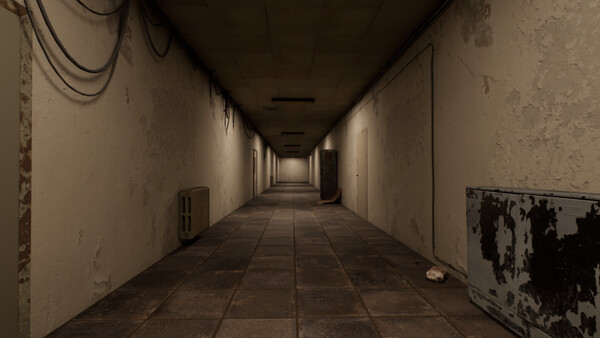
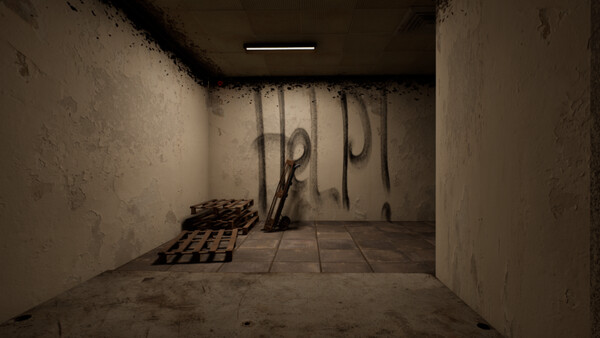
Videos
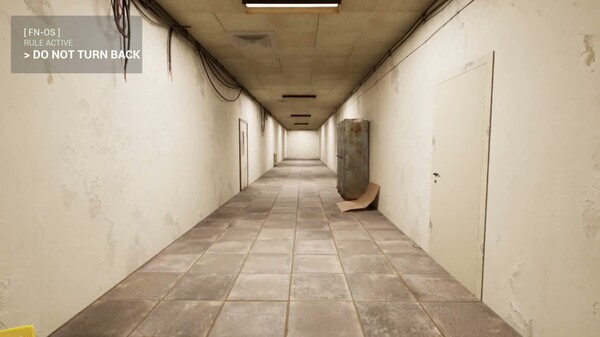
Gameplay Trailer
System Requirements
- OS: Windows 10 64-bit
- Processor: Intel Core i5-8400 / AMD Ryzen 5 2600
- Memory: 8 GB RAM
- Graphics: NVIDIA GTX 1060 / AMD RX 580
- DirectX: Version 12
- Storage: 5 GB available space
- OS: Windows 10/11 64-bit
- Processor: Intel Core i5-12400 / AMD Ryzen 5 5600
- Memory: 16 GB RAM
- Graphics: NVIDIA RTX 2060 / AMD RX 6600
- DirectX: Version 12
- Storage: 5 GB available space
Additional Information
*languages with full audio support
Current Pricing
Additional Information
Developer Analytics
Loading competitors...
About This Game
False Normality is a short first-person psychological horror game built around a rule-driven system that watches how you move. Some rules keep you safe. Some are lying. You won't know which until you act.
Detailed Description
False Normality is a first-person psychological horror game set inside a corridor system that watches how you move.
At first, the rules are simple.
DON'T STOP.
DON'T LOOK BACK.
DON'T TRUST THE RULES.
But obedience is only the beginning.
Some instructions are real. Others are traps. As you progress, the system forces you to decide when to obey, when to doubt, and whether you can still trust the rules guiding you forward.
Violations make the environment react. Lights can go out. The screen can fall into darkness. Sounds respond to what you do. The system becomes increasingly difficult to read.
There is no combat.
No inventory to manage.
Only you, the corridor, and a system you can never fully trust.
Features
Rule-driven psychological horror
Real and deceptive instructions
Choices built around trust and obedience
Environmental, audio, and system reactions to violations
Linear corridor progression with changing rule scenarios
Claustrophobic liminal atmosphere
No combat
Short and focused single-player horror experience