
Game overview
VR Time Machine Travelling in ancient civilizations: Mayan Kingdom, Inca Empire, Indians, and Aztecs before conquest A.D.1000
You can freely shuttle through the scenes established in the game, there is no crowded people, only you are alone, you can slow down your steps and carefully explore the ancient Mayan architectural style
- Last tracked players
- 0
- Recorded peak
- Unavailable
- 24-hour change
- Unavailable
- Steam reviews
- 100% positive 1 reviews · via SteamSpy
Delayed observation · last tracked . Values marked unavailable are not estimated. Recorded peak is the highest player count observed by SteamIQHQ; earlier records may be outside our coverage.
About this game Read the full description
Speaking of Mayan culture, everyone thinks it is very mysterious, such as their precise calculation of the laws of celestial movement, predictions of the end of the world, and the Mayan pyramids that stand up to this day. This civilization that was born and prospered in the North American continent today has Many mysteries have not been solved.
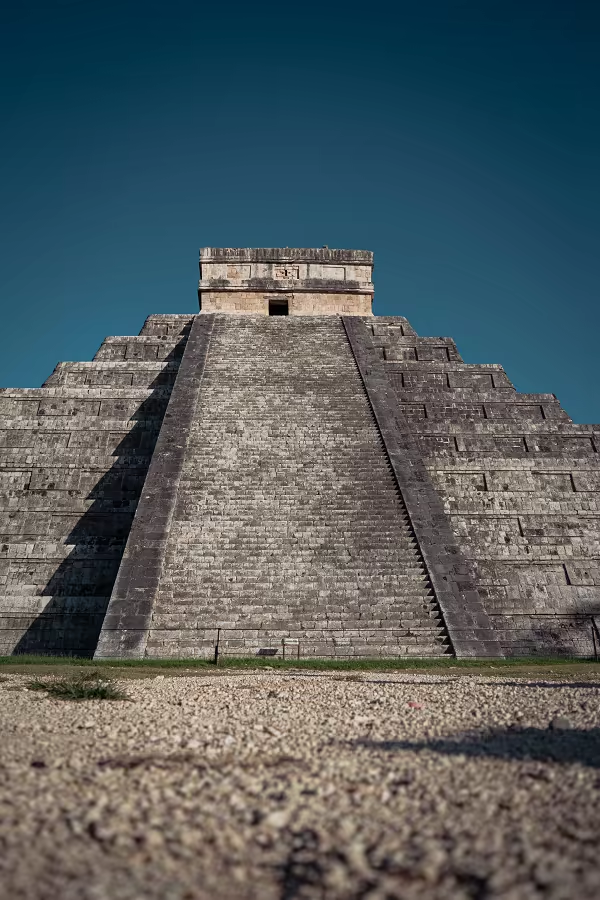
Of the Indians in the entire American continent, only the Maya created words. However, the Mayan civilization is a very mysterious and puzzling civilization. Even to this day, some people still believe that Maya civilization was left by aliens.
The Mayan civilization, the Inca Empire and the Aztec Empire are listed as the three major civilizations in the Americas (the Aztec Empire and the Mayan Civilization are located in Central America; the Inca Empire is located in the Andes of South America).
1. Maya civilization is a modern jungle civilization distributed in the southeast of Mexico, Guatemala, Honduras, El Salvador and Belize. Although in the Neolithic Age, he has achieved extremely high achievements in astronomy, mathematics, agriculture, art and writing.
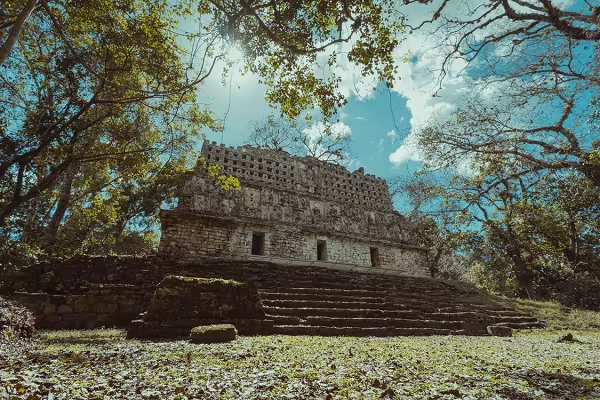
According to the Mesoamerican chronicles, Mayan history is divided into pre-classical, classical and post-classical periods. The pre-classical period (1500 BC-300 AD) is also called the formation period. The invention of calendars and characters, the establishment of monuments, and the construction of buildings are all in this period; the classical period is the heyday (about 4th to 9th century). During this period, the use of characters, the establishment of monuments, the construction of buildings, and the performance of art all reached their peak; in the post-classical period (approximately 9th to 16th centuries), during this period, Chichen Itza and Uxmal emerged in the north. When city-states rise, culture gradually declines (weaken).
Maya has never had a unified and powerful empire like China, Egypt and other civilizations. The Mayan region was divided into hundreds of city-states in its heyday. However, the Mayan states belonged to the same cultural circle in terms of language, writing, religious beliefs, and customs. In the 16th century, the Aztec Empire, the inheritor of Mayan culture, was destroyed by the Spanish Empire.
The Maya civilization is an outstanding representative of the ancient Indian civilization in Latin America and the ancient American Indian civilization, named after the Indian Maya. Formed around 1500 BC, the Maya created a glorious Maya civilization.
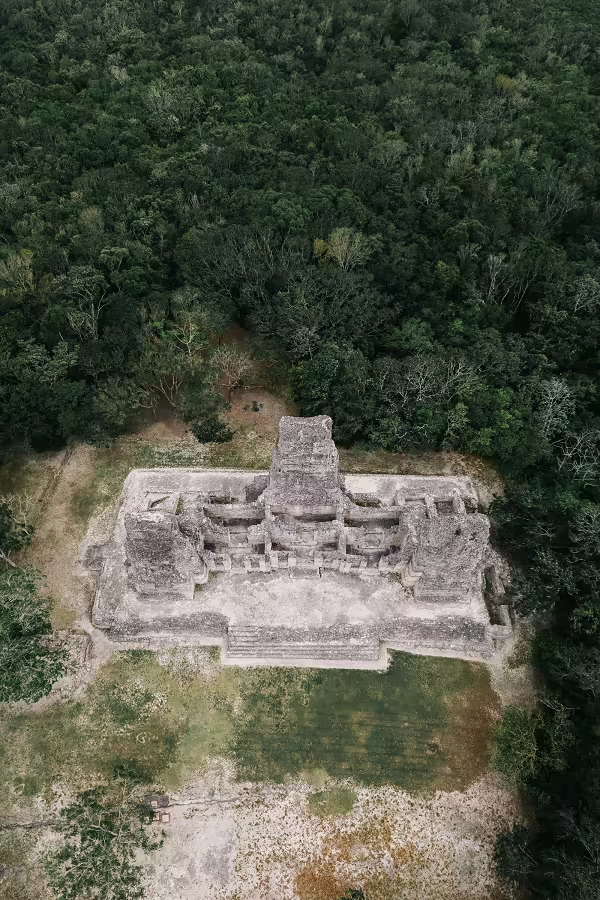
2. The Inca Empire (Quchua: Tawantin Suyu or Tahuantinsuyo) was an ancient empire located in the Americas from the 11th to the 16th century. The political, military and cultural center of the empire was located in Cusco, Peru today. The central area of the Inca Empire is located in the Andes Mountains of South America, and its territory is about Peru, Ecuador, Colombia, Bolivia, Chile, and Argentina in South America today. The Incas, the main nation, is also one of the three major civilizations in the Americas-the creator of the Inca civilization.
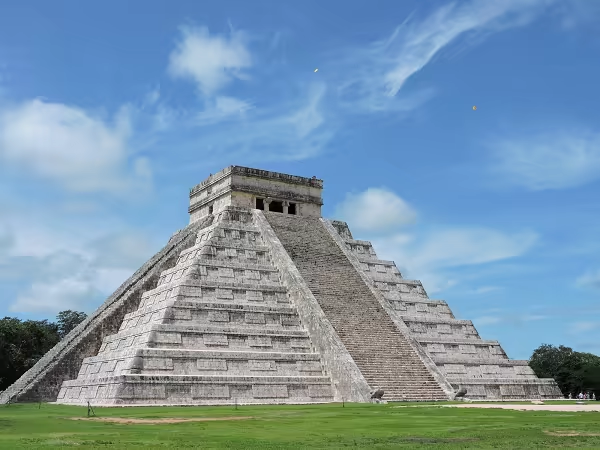
The ancestors of the Incas lived in the highlands of Peru. Later they migrated to Cusco and established the Kingdom of Cusco, which developed into the Inca Empire in 1438. From 1438 to 1533, the Inca Empire used various methods ranging from conquest by force to peaceful assimilation, making the territory of the Inca Empire almost cover the entire western South America. The power of the empire reached its peak during the reign of Monarch Vaina Kapac.
Inca was originally a small country located in Cusco. The main territorial expansion did not begin until the 15th century. Tupac Inca Yupanki expanded the territory of the Inca Empire to Pasto in Colombia, and Tucuman and Chile in Argentina. By the Maure River. However, his heirs caused many civil wars due to the struggle for the throne, which caused political unrest in the Inca Empire, and provided the later Spanish colonists with the opportunity to sow discord.
3. The Aztec civilization is a unique ancient civilization in world history. It established an empire in central Mexico in the 15th century. Possess a more accurate calendar system; in agriculture, irrigation technology is developed; in economy, “currency” in the primitive stage has emerged; religious mythology has distinctive characteristics and has a profound impact on later generations; Aztec construction technology is also Very exquisite, able to build very majestic buildings, the ancient city of Tenochtitlan is the best proof; in addition, the Aztec society is heavily divided and has a complete legal system.
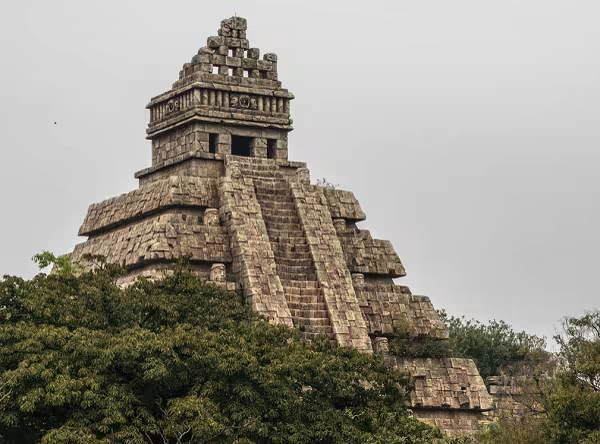
In the 15th century, Tenochtitlan and the other two city-states Deskoco and Tracopan formed a three-nation alliance, and the Aztec Empire was established.
The Aztec Empire was the largest empire in Central America during the pre-Columbian period, and it also formed a unique Aztec civilization. The prosperous economic power has enabled the Aztec civilization to develop in all aspects.
The Aztec Tri-Nation Alliance was established after the three city-states won the Aztecs’ old master, Tepanic. Initially, the strength of the three city-states was equal, but Tenochtitlan gradually became the leader of the three parties. In 1520, when the Spaniards came to the Aztec Empire, Descoco and Tracopan had become vassals of Tenochtitlan.
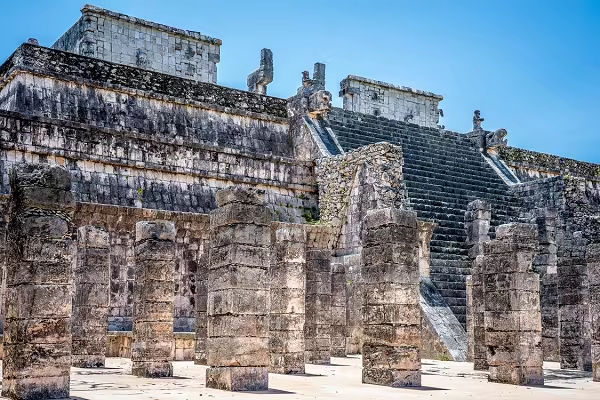
The main nation of the Aztec Empire is the Aztecs, a very militant nation. After a series of expansion wars, the Aztec Empire became the most powerful country in Central America during the pre-Columbian period. In its heyday, the Aztec Empire not only completely covered the central part of present-day Mexico, but also occupied some "remote countries" for Americans whose transportation technology was extremely backward.
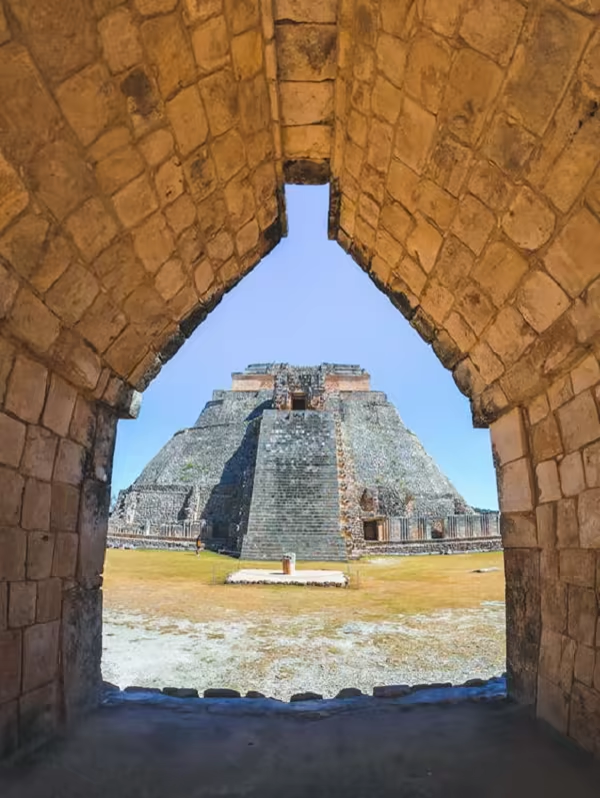
In the game, you are the person in time and space. There are game scenes such as temples, villages, and nature in the game. You can freely shuttle through the scenes established in the game. There are no crowds, and you are the only one. You can slow down your steps and carefully explore the ancient Mayan architecture. At the same time, we also added other interesting game items for free for you to use, such as snake eating, hunting, etc.
In addition, we have also set up a mini-game link to explore treasures in the game.
Of the Indians in the entire American continent, only the Maya created words. However, the Mayan civilization is a very mysterious and puzzling civilization. Even to this day, some people still believe that Maya civilization was left by aliens.
The Mayan civilization, the Inca Empire and the Aztec Empire are listed as the three major civilizations in the Americas (the Aztec Empire and the Mayan Civilization are located in Central America; the Inca Empire is located in the Andes of South America).
1. Maya civilization is a modern jungle civilization distributed in the southeast of Mexico, Guatemala, Honduras, El Salvador and Belize. Although in the Neolithic Age, he has achieved extremely high achievements in astronomy, mathematics, agriculture, art and writing.
According to the Mesoamerican chronicles, Mayan history is divided into pre-classical, classical and post-classical periods. The pre-classical period (1500 BC-300 AD) is also called the formation period. The invention of calendars and characters, the establishment of monuments, and the construction of buildings are all in this period; the classical period is the heyday (about 4th to 9th century). During this period, the use of characters, the establishment of monuments, the construction of buildings, and the performance of art all reached their peak; in the post-classical period (approximately 9th to 16th centuries), during this period, Chichen Itza and Uxmal emerged in the north. When city-states rise, culture gradually declines (weaken).
Maya has never had a unified and powerful empire like China, Egypt and other civilizations. The Mayan region was divided into hundreds of city-states in its heyday. However, the Mayan states belonged to the same cultural circle in terms of language, writing, religious beliefs, and customs. In the 16th century, the Aztec Empire, the inheritor of Mayan culture, was destroyed by the Spanish Empire.
The Maya civilization is an outstanding representative of the ancient Indian civilization in Latin America and the ancient American Indian civilization, named after the Indian Maya. Formed around 1500 BC, the Maya created a glorious Maya civilization.
2. The Inca Empire (Quchua: Tawantin Suyu or Tahuantinsuyo) was an ancient empire located in the Americas from the 11th to the 16th century. The political, military and cultural center of the empire was located in Cusco, Peru today. The central area of the Inca Empire is located in the Andes Mountains of South America, and its territory is about Peru, Ecuador, Colombia, Bolivia, Chile, and Argentina in South America today. The Incas, the main nation, is also one of the three major civilizations in the Americas-the creator of the Inca civilization.
The ancestors of the Incas lived in the highlands of Peru. Later they migrated to Cusco and established the Kingdom of Cusco, which developed into the Inca Empire in 1438. From 1438 to 1533, the Inca Empire used various methods ranging from conquest by force to peaceful assimilation, making the territory of the Inca Empire almost cover the entire western South America. The power of the empire reached its peak during the reign of Monarch Vaina Kapac.
Inca was originally a small country located in Cusco. The main territorial expansion did not begin until the 15th century. Tupac Inca Yupanki expanded the territory of the Inca Empire to Pasto in Colombia, and Tucuman and Chile in Argentina. By the Maure River. However, his heirs caused many civil wars due to the struggle for the throne, which caused political unrest in the Inca Empire, and provided the later Spanish colonists with the opportunity to sow discord.
3. The Aztec civilization is a unique ancient civilization in world history. It established an empire in central Mexico in the 15th century. Possess a more accurate calendar system; in agriculture, irrigation technology is developed; in economy, “currency” in the primitive stage has emerged; religious mythology has distinctive characteristics and has a profound impact on later generations; Aztec construction technology is also Very exquisite, able to build very majestic buildings, the ancient city of Tenochtitlan is the best proof; in addition, the Aztec society is heavily divided and has a complete legal system.
In the 15th century, Tenochtitlan and the other two city-states Deskoco and Tracopan formed a three-nation alliance, and the Aztec Empire was established.
The Aztec Empire was the largest empire in Central America during the pre-Columbian period, and it also formed a unique Aztec civilization. The prosperous economic power has enabled the Aztec civilization to develop in all aspects.
The Aztec Tri-Nation Alliance was established after the three city-states won the Aztecs’ old master, Tepanic. Initially, the strength of the three city-states was equal, but Tenochtitlan gradually became the leader of the three parties. In 1520, when the Spaniards came to the Aztec Empire, Descoco and Tracopan had become vassals of Tenochtitlan.
The main nation of the Aztec Empire is the Aztecs, a very militant nation. After a series of expansion wars, the Aztec Empire became the most powerful country in Central America during the pre-Columbian period. In its heyday, the Aztec Empire not only completely covered the central part of present-day Mexico, but also occupied some "remote countries" for Americans whose transportation technology was extremely backward.
In the game, you are the person in time and space. There are game scenes such as temples, villages, and nature in the game. You can freely shuttle through the scenes established in the game. There are no crowds, and you are the only one. You can slow down your steps and carefully explore the ancient Mayan architecture. At the same time, we also added other interesting game items for free for you to use, such as snake eating, hunting, etc.
In addition, we have also set up a mini-game link to explore treasures in the game.
Media gallery 12 screenshots · 0 videos

Screenshots


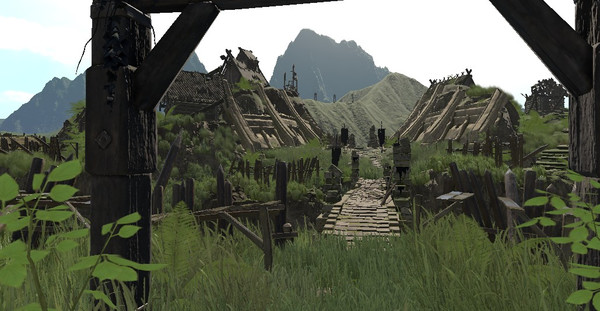

And 4 more screenshots...
Player activity
Concurrent players over the last 48 hours.
Loading player history?
Price history
Last 30 days ? prices in the selected region?s currency.
Loading price history?
System requirements Windows
Windows
Minimum
Minimum:- OS *: Microsoft Windows 7
- Processor: Intel Core i5-4590 / AMD FX 8350
- Memory: 8 GB RAM
- Graphics: NVIDIA GTX 1050
- DirectX: Version 11
- Storage: 7 GB available space
- Sound Card: NVIDIA High Definition Audio
- VR Support: SteamVR
Recommended
Recommended:- OS: Microsoft Windows 10
- Processor: Intel Core i5-4590 / AMD FX 8350 or higher
- Memory: 16 GB RAM
- Graphics: NVIDIA GTX 1050 or higher
- DirectX: Version 11
- Storage: 10 GB available space
- Sound Card: NVIDIA High Definition Audio
Game details Languages, features & support
- Publisher
- William at Oxford
- Brazilian rating
- l
- Steam Germany rating
- 0
- Features
- Single-player, Tracked Controller Support, VR Only, Family Sharing
- Languages
- English, French, Italian, German, Spanish - Spain, Russian, Japanese, Simplified Chinese, Traditional Chinese, Portuguese - Portugal, Korean
- Support
- Support site ↗
More analysis Activity patterns, updates & developer tools
Genre Benchmarks
Value Ratio
Top 0%
Activity Heatmap
UTC+0 (Your Timezone)
0
Peak Activity
0
Avg Activity
0
Active Hours
6%
Sample coverage
Less Active
More Active
0
1
2
3
4
5
6
7
8
9
10
11
12
13
14
15
16
17
18
19
20
21
22
23
Sun
Sunday 0:00
No samples
No samples
Sunday 1:00
No samples
No samples
Sunday 2:00
No samples
No samples
Sunday 3:00
No samples
No samples
Sunday 4:00
No samples
No samples
Sunday 5:00
No samples
No samples
Sunday 6:00
No samples
No samples
Sunday 7:00
No samples
No samples
Sunday 8:00
No samples
No samples
Sunday 9:00
No samples
No samples
Sunday 10:00
No samples
No samples
Sunday 11:00
No samples
No samples
Sunday 12:00
No samples
No samples
Sunday 13:00
No samples
No samples
Sunday 14:00
No samples
No samples
Sunday 15:00
No samples
No samples
Sunday 16:00
No samples
No samples
Sunday 17:00
No samples
No samples
Sunday 18:00
No samples
No samples
Sunday 19:00
No samples
No samples
Sunday 20:00
No samples
No samples
Sunday 21:00
0 players · 1 samples
0 players · 1 samples
Sunday 22:00
No samples
No samples
Sunday 23:00
No samples
No samples
Mon
Monday 0:00
0 players · 1 samples
0 players · 1 samples
Monday 1:00
No samples
No samples
Monday 2:00
No samples
No samples
Monday 3:00
No samples
No samples
Monday 4:00
No samples
No samples
Monday 5:00
No samples
No samples
Monday 6:00
No samples
No samples
Monday 7:00
No samples
No samples
Monday 8:00
No samples
No samples
Monday 9:00
No samples
No samples
Monday 10:00
No samples
No samples
Monday 11:00
No samples
No samples
Monday 12:00
No samples
No samples
Monday 13:00
No samples
No samples
Monday 14:00
0 players · 1 samples
0 players · 1 samples
Monday 15:00
No samples
No samples
Monday 16:00
No samples
No samples
Monday 17:00
No samples
No samples
Monday 18:00
No samples
No samples
Monday 19:00
No samples
No samples
Monday 20:00
No samples
No samples
Monday 21:00
No samples
No samples
Monday 22:00
No samples
No samples
Monday 23:00
No samples
No samples
Tue
Tuesday 0:00
No samples
No samples
Tuesday 1:00
No samples
No samples
Tuesday 2:00
No samples
No samples
Tuesday 3:00
0 players · 1 samples
0 players · 1 samples
Tuesday 4:00
No samples
No samples
Tuesday 5:00
No samples
No samples
Tuesday 6:00
No samples
No samples
Tuesday 7:00
No samples
No samples
Tuesday 8:00
No samples
No samples
Tuesday 9:00
No samples
No samples
Tuesday 10:00
No samples
No samples
Tuesday 11:00
No samples
No samples
Tuesday 12:00
No samples
No samples
Tuesday 13:00
No samples
No samples
Tuesday 14:00
No samples
No samples
Tuesday 15:00
No samples
No samples
Tuesday 16:00
No samples
No samples
Tuesday 17:00
0 players · 1 samples
0 players · 1 samples
Tuesday 18:00
No samples
No samples
Tuesday 19:00
No samples
No samples
Tuesday 20:00
No samples
No samples
Tuesday 21:00
No samples
No samples
Tuesday 22:00
No samples
No samples
Tuesday 23:00
No samples
No samples
Wed
Wednesday 0:00
No samples
No samples
Wednesday 1:00
No samples
No samples
Wednesday 2:00
No samples
No samples
Wednesday 3:00
No samples
No samples
Wednesday 4:00
No samples
No samples
Wednesday 5:00
No samples
No samples
Wednesday 6:00
No samples
No samples
Wednesday 7:00
No samples
No samples
Wednesday 8:00
No samples
No samples
Wednesday 9:00
No samples
No samples
Wednesday 10:00
No samples
No samples
Wednesday 11:00
No samples
No samples
Wednesday 12:00
No samples
No samples
Wednesday 13:00
No samples
No samples
Wednesday 14:00
0 players · 2 samples
0 players · 2 samples
Wednesday 15:00
No samples
No samples
Wednesday 16:00
No samples
No samples
Wednesday 17:00
No samples
No samples
Wednesday 18:00
No samples
No samples
Wednesday 19:00
No samples
No samples
Wednesday 20:00
No samples
No samples
Wednesday 21:00
No samples
No samples
Wednesday 22:00
No samples
No samples
Wednesday 23:00
No samples
No samples
Thu
📍
Thursday 0:00
No samples
No samples
Thursday 1:00
No samples
No samples
Thursday 2:00
No samples
No samples
Thursday 3:00
No samples
No samples
Thursday 4:00
No samples
No samples
Thursday 5:00
No samples
No samples
Thursday 6:00
No samples
No samples
Thursday 7:00
No samples
No samples
Thursday 8:00
No samples
No samples
Thursday 9:00
No samples
No samples
Thursday 10:00
No samples
No samples
Thursday 11:00
No samples
No samples
Thursday 12:00
No samples
No samples
Thursday 13:00
No samples
No samples
Thursday 14:00
No samples
No samples
Thursday 15:00
No samples
No samples
Thursday 16:00
0 players · 1 samples
0 players · 1 samples
Thursday 17:00
No samples
No samples
Thursday 18:00
No samples
No samples
Thursday 19:00
No samples
No samples
Thursday 20:00
No samples
No samples
Thursday 21:00
No samples
No samples
Thursday 22:00
No samples
No samples
Thursday 23:00
No samples
No samples
Fri
Friday 0:00
No samples
No samples
Friday 1:00
No samples
No samples
Friday 2:00
0 players · 1 samples
0 players · 1 samples
Friday 3:00
No samples
No samples
Friday 4:00
No samples
No samples
Friday 5:00
No samples
No samples
Friday 6:00
No samples
No samples
Friday 7:00
0 players · 1 samples
0 players · 1 samples
Friday 8:00
No samples
No samples
Friday 9:00
No samples
No samples
Friday 10:00
No samples
No samples
Friday 11:00
No samples
No samples
Friday 12:00
No samples
No samples
Friday 13:00
No samples
No samples
Friday 14:00
No samples
No samples
Friday 15:00
No samples
No samples
Friday 16:00
No samples
No samples
Friday 17:00
No samples
No samples
Friday 18:00
No samples
No samples
Friday 19:00
No samples
No samples
Friday 20:00
No samples
No samples
Friday 21:00
No samples
No samples
Friday 22:00
No samples
No samples
Friday 23:00
No samples
No samples
Sat
Saturday 0:00
No samples
No samples
Saturday 1:00
No samples
No samples
Saturday 2:00
No samples
No samples
Saturday 3:00
No samples
No samples
Saturday 4:00
No samples
No samples
Saturday 5:00
No samples
No samples
Saturday 6:00
No samples
No samples
Saturday 7:00
No samples
No samples
Saturday 8:00
No samples
No samples
Saturday 9:00
No samples
No samples
Saturday 10:00
No samples
No samples
Saturday 11:00
No samples
No samples
Saturday 12:00
No samples
No samples
Saturday 13:00
No samples
No samples
Saturday 14:00
No samples
No samples
Saturday 15:00
No samples
No samples
Saturday 16:00
0 players · 1 samples
0 players · 1 samples
Saturday 17:00
No samples
No samples
Saturday 18:00
No samples
No samples
Saturday 19:00
No samples
No samples
Saturday 20:00
No samples
No samples
Saturday 21:00
No samples
No samples
Saturday 22:00
No samples
No samples
Saturday 23:00
No samples
No samples
Developer Analytics
Loading competitors...
Frequently Asked Questions
What is the recorded Steam price for VR Time Machine Travelling in ancient civilizations: Mayan Kingdom, Inca Empire, Indians, and Aztecs before conquest A.D.1000?
The last observed Steam price for VR Time Machine Travelling in ancient civilizations: Mayan Kingdom, Inca Empire, Indians, and Aztecs before conquest A.D.1000 is $9.99. Check Steam for current pricing and availability.
What genre is VR Time Machine Travelling in ancient civilizations: Mayan Kingdom, Inca Empire, Indians, and Aztecs before conquest A.D.1000?
VR Time Machine Travelling in ancient civilizations: Mayan Kingdom, Inca Empire, Indians, and Aztecs before conquest A.D.1000 is a Casual game.
Who developed VR Time Machine Travelling in ancient civilizations: Mayan Kingdom, Inca Empire, Indians, and Aztecs before conquest A.D.1000?
VR Time Machine Travelling in ancient civilizations: Mayan Kingdom, Inca Empire, Indians, and Aztecs before conquest A.D.1000 was developed by William at Oxford and published by William at Oxford.
What platforms does VR Time Machine Travelling in ancient civilizations: Mayan Kingdom, Inca Empire, Indians, and Aztecs before conquest A.D.1000 support?
Available on Steam for Windows.
Related Games
3 tags in common
Rain Leak Life - 雨漏り人生
0 last tracked
3 tags in common
Ottoman Dreams: Rise of Süleiman
0 last tracked
2 tags in common
Hard Hero
0 last tracked
2 tags in common
A Space Odyssey
0 last tracked
2 tags in common
Arcade Sundown
0 last tracked
2 tags in common
Boulder Smash Demo
2 tags in common
Lost Gray
0 last tracked
2 tags in common
Sin Chess
0 last tracked